

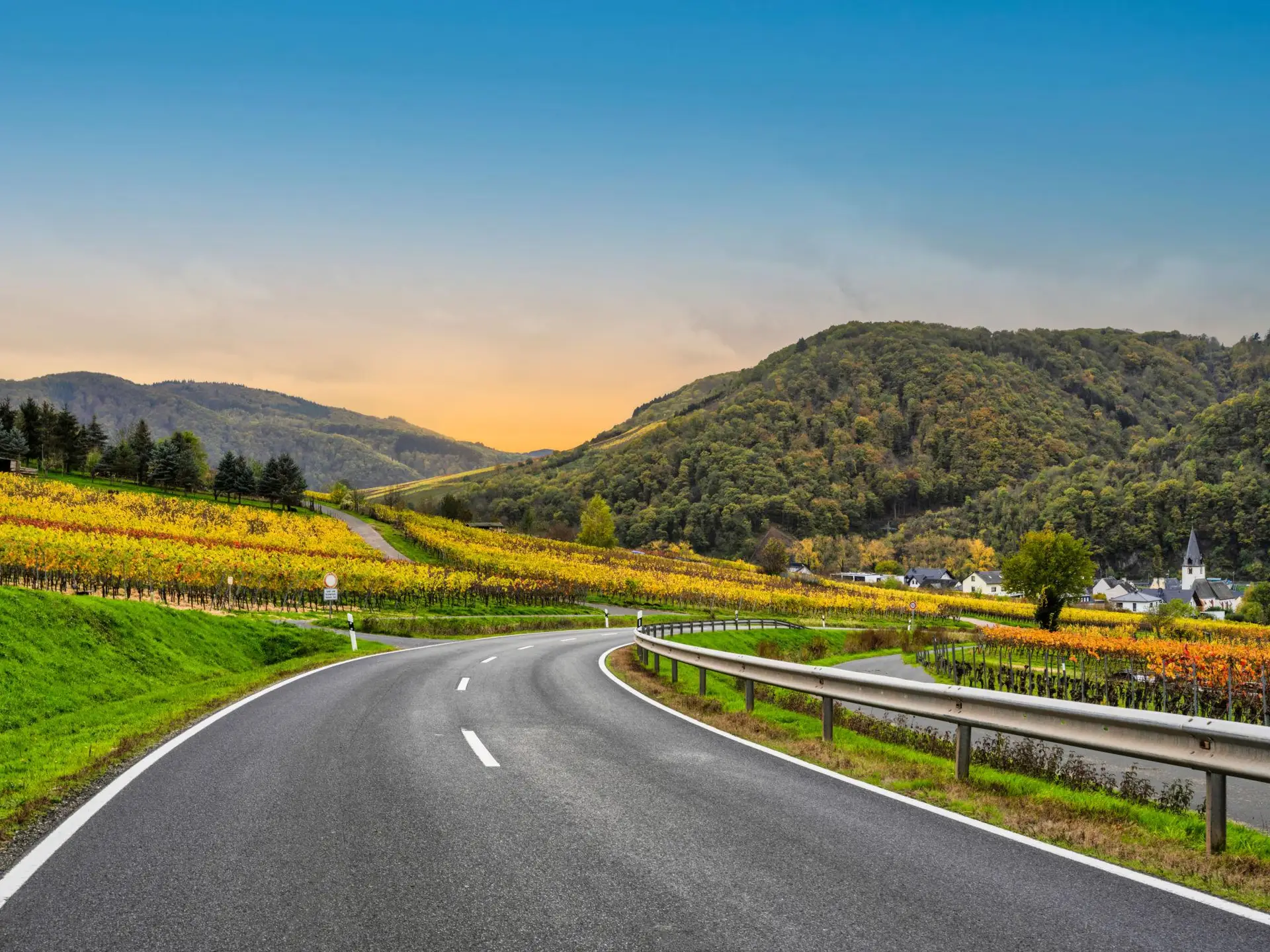
Four countries. Three days off. One very important discovery: the best part of a road trip is rarely the bit you booked the hotel for.
What could you do with three days off? You could catch up on chores, spend a few hours watching TV or finally tackle that pile of things you’ve been putting off. Or you could go on a road trip.
We chose the second option. Obviously.
The plan was to travel from Antwerp through Luxembourg and Germany before heading into France, with overnight stops in Trier and Colmar. Somewhere along the way, we wanted to find some wonderful roads, see a few interesting places and enjoy three days away from the usual routine. We had a rough route in mind, two hotel stops booked and plenty of kilometres ahead of us. The rest could take care of itself.
We took the motorway as far as Dinant. Then we switched the sat-nav to avoid motorways and left it that way until we reached Luxembourg again on Monday, on the way home. It was a small change, but it set the tone for the rest of the trip. We weren’t interested in getting everywhere as quickly as possible. We wanted to find the roads that made the journey worth taking.
And the first proper reward came in Luxembourg.
The drive towards Vianden was fantastic. Not just a pleasant way to get from A to B, but the sort of drive that makes you glad you didn’t simply follow the fastest route and arrive an hour earlier. The landscape and the road came together beautifully, and we found ourselves enjoying the journey rather than thinking about how much of it remained. Vianden was an excellent start, and it established a rather dangerous precedent: from this point onwards, every road would have to work quite hard to impress us.
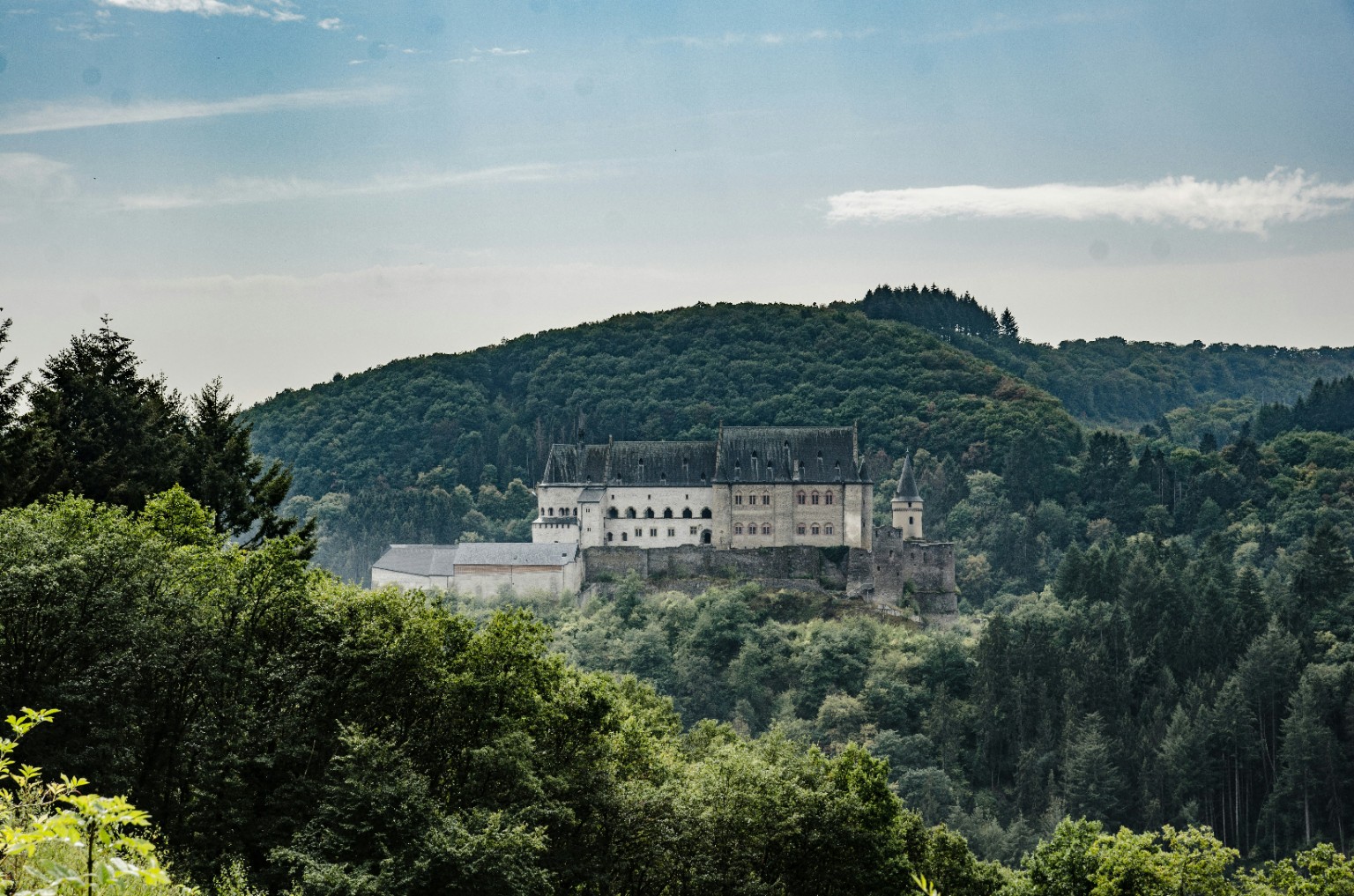
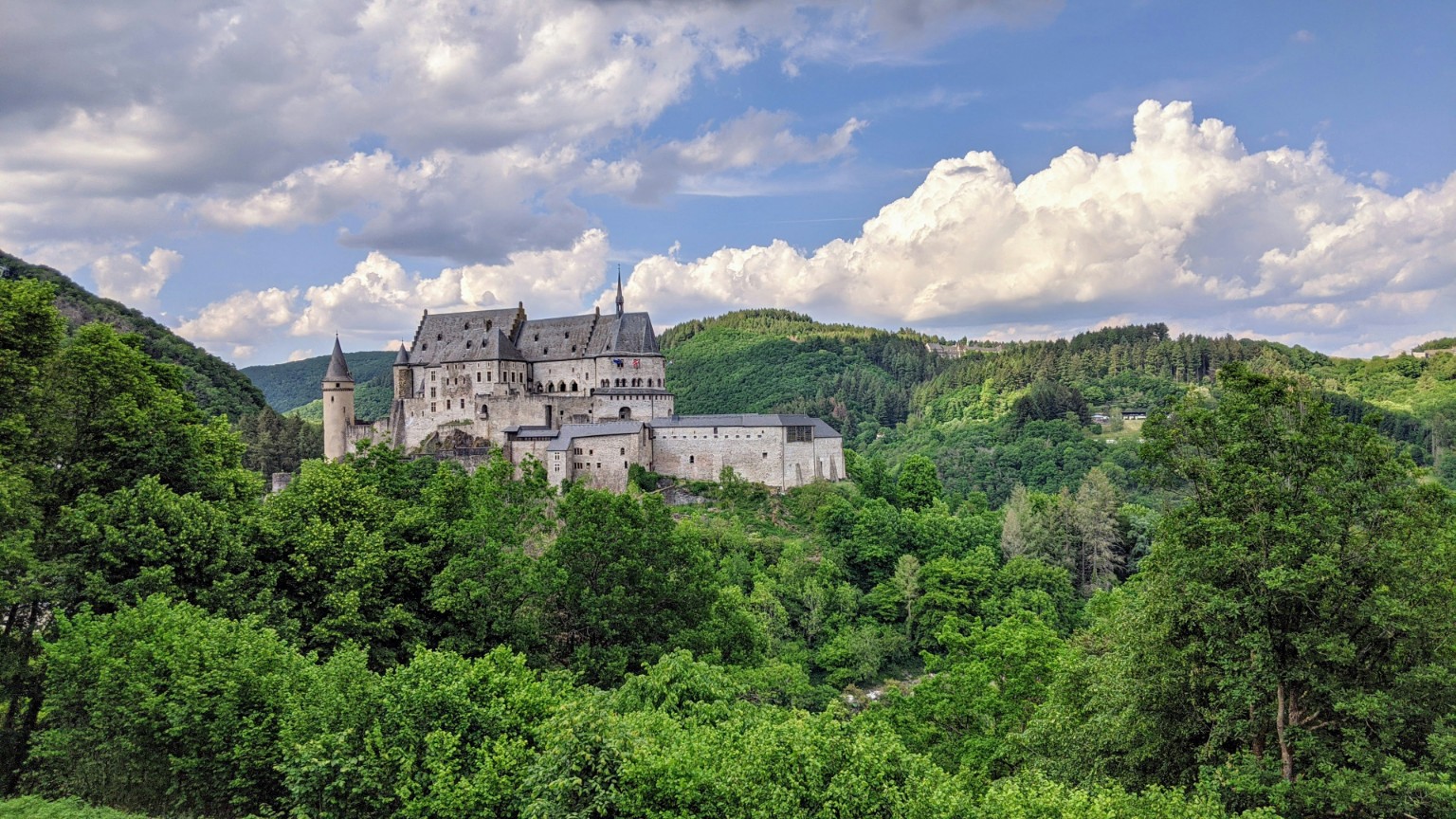
Fortunately, the driving around Luxembourg and towards Trier continued to deliver. The roads through the region gave the trip a proper sense of adventure, with the scenery changing as we made our way towards Germany. This was exactly what we had hoped to find when we planned the route. Not necessarily some legendary stretch of tarmac known to every petrolhead in Europe, but a succession of roads that made you want to keep going. The sort of driving that turns a journey into the main event, rather than an inconvenience between hotel bookings.
The Škoda Karoq Sportline fitted into this rather well. We weren’t driving a lightweight sports car, and there was no reason to pretend otherwise. The job was to cover a fair distance, enjoy the winding roads and arrive without feeling as though we’d spent three days being folded into a suitcase. The Karoq proved comfortable and easy to live with, while still making the driving enjoyable. Sometimes the best car for a road trip isn’t the one that promises the most drama. It’s the one that lets you enjoy the road without demanding all your attention for the wrong reasons.
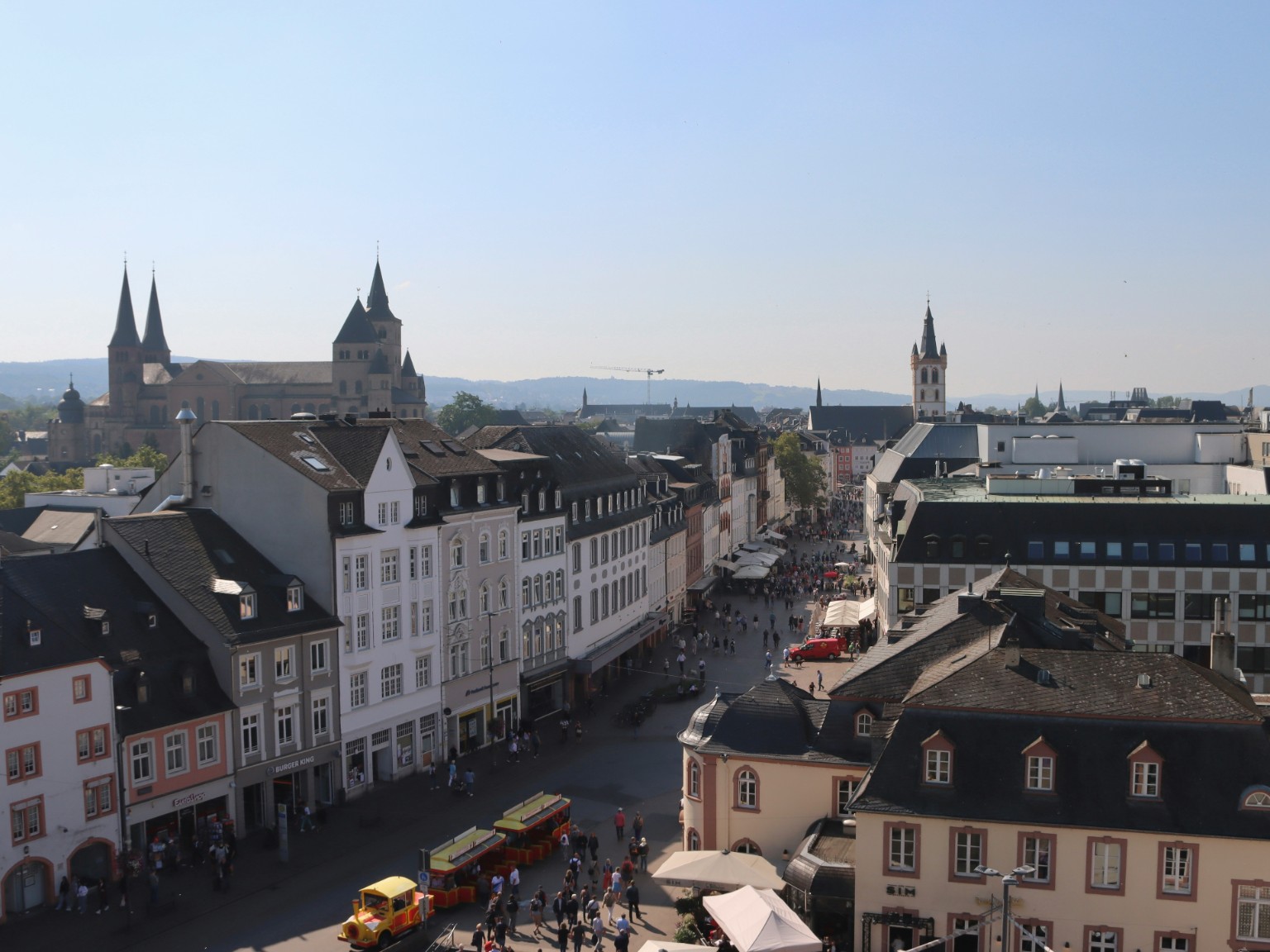
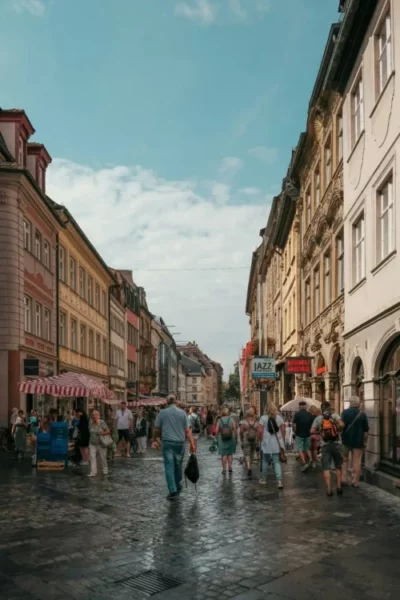
We reached Trier at around three in the afternoon. After a day of enjoyable driving, it was time to park up and see what the city had to offer. The evening involved beer, music and a chance to relax after the miles. The beer was good, the music was good, and the evening did its job. Trier itself didn’t quite leave the same impression as the roads we’d taken to get there. It wasn’t a disappointment so much as a reminder that the destination doesn’t always have to be the highlight. Sometimes the best part of a place is the drive that brings you to it.
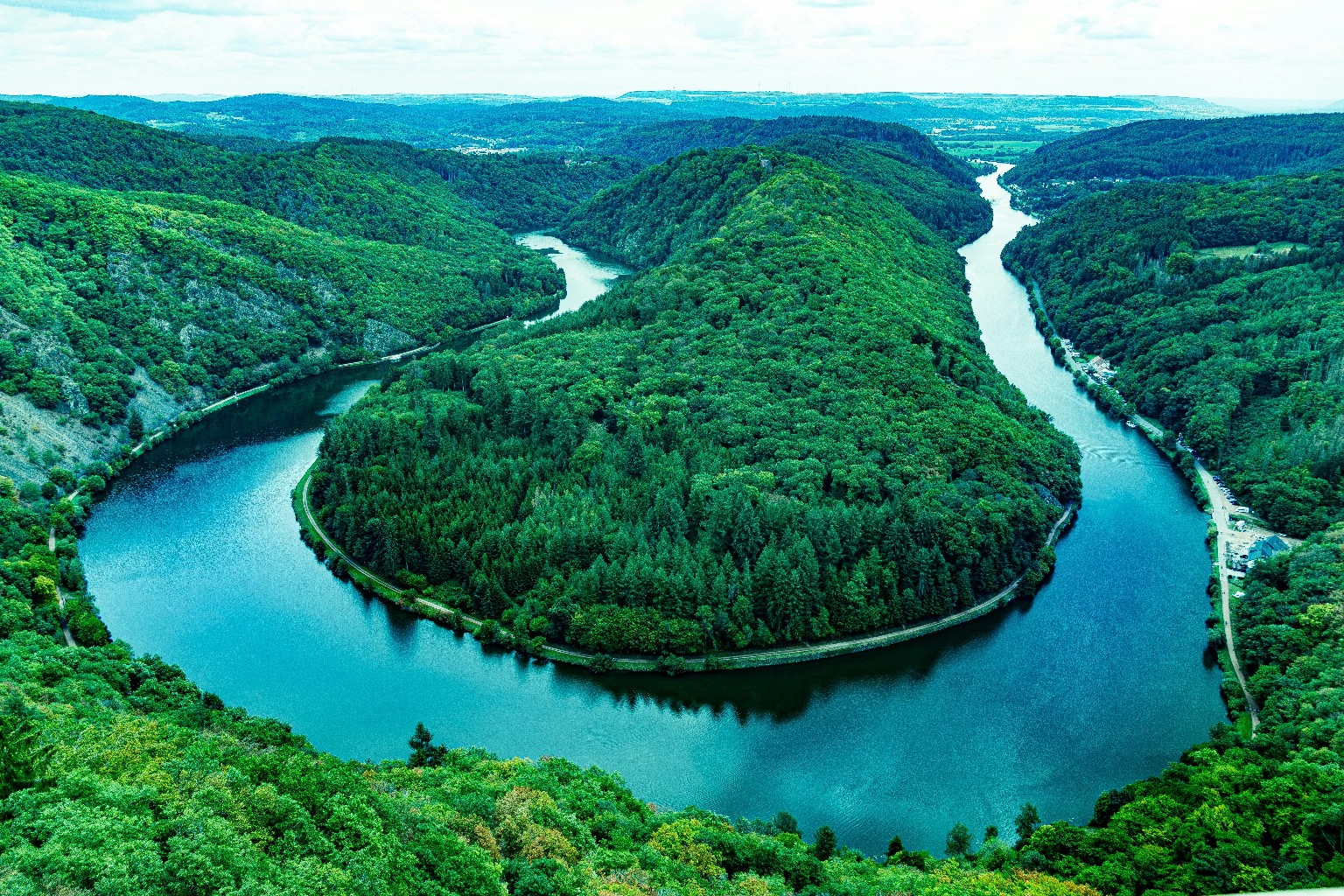
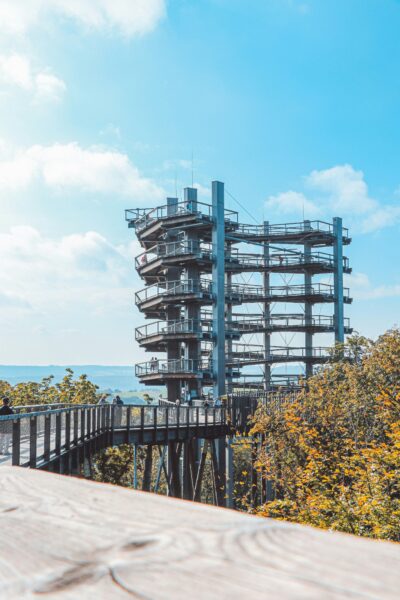
The following morning, we set off towards the Saarland and the Saarschleife. The driving through this part of the trip was another highlight, and it would be a mistake to treat the region as merely a route between Luxembourg and France. There was plenty to enjoy along the way, and the landscape made a convincing case for taking the smaller roads rather than rushing south on the motorway.
At Cloef, we left the car behind and walked to the viewpoint overlooking the great bend in the Saar. The view was worth the effort, and after so much time behind the wheel, the walk was a welcome change of pace. A road trip built around driving still benefits from the occasional reminder that there is a world outside the windscreen. Even the most committed driver must occasionally accept that a pair of walking shoes has its uses.
By this point, the trip was going rather well. Vianden had delivered, the roads towards Trier had been excellent, and the Saarland had given us another reason to be pleased with our decision to avoid motorways. We were getting exactly what we’d set out to find: wonderful roads, interesting landscapes and enough variety to make three days feel like a proper escape.
Then came the drive towards France, and the inevitable reminder that not every road can be a winner.
The stretch from Saint-Avold towards Gérardmer was a little dull. It got us where we needed to go, but it wasn’t going to feature in a passionate speech about the finest driving roads in Europe. Such is life. Even on a carefully planned road trip, some sections are simply there to be endured. You follow the road, keep going and trust that something better might be waiting around the next bend.
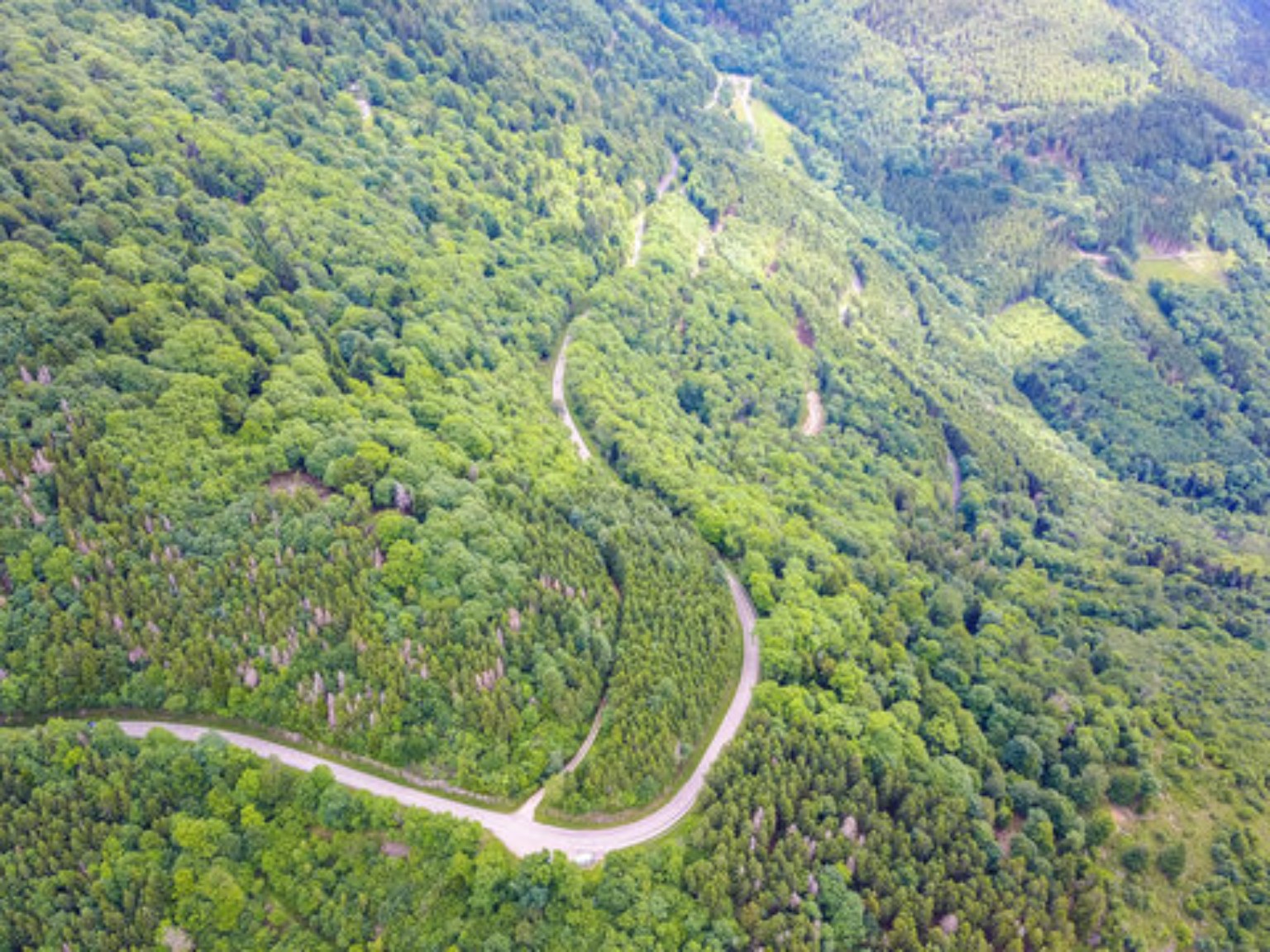
In this case, something considerably better was waiting at the Col de la Schlucht.
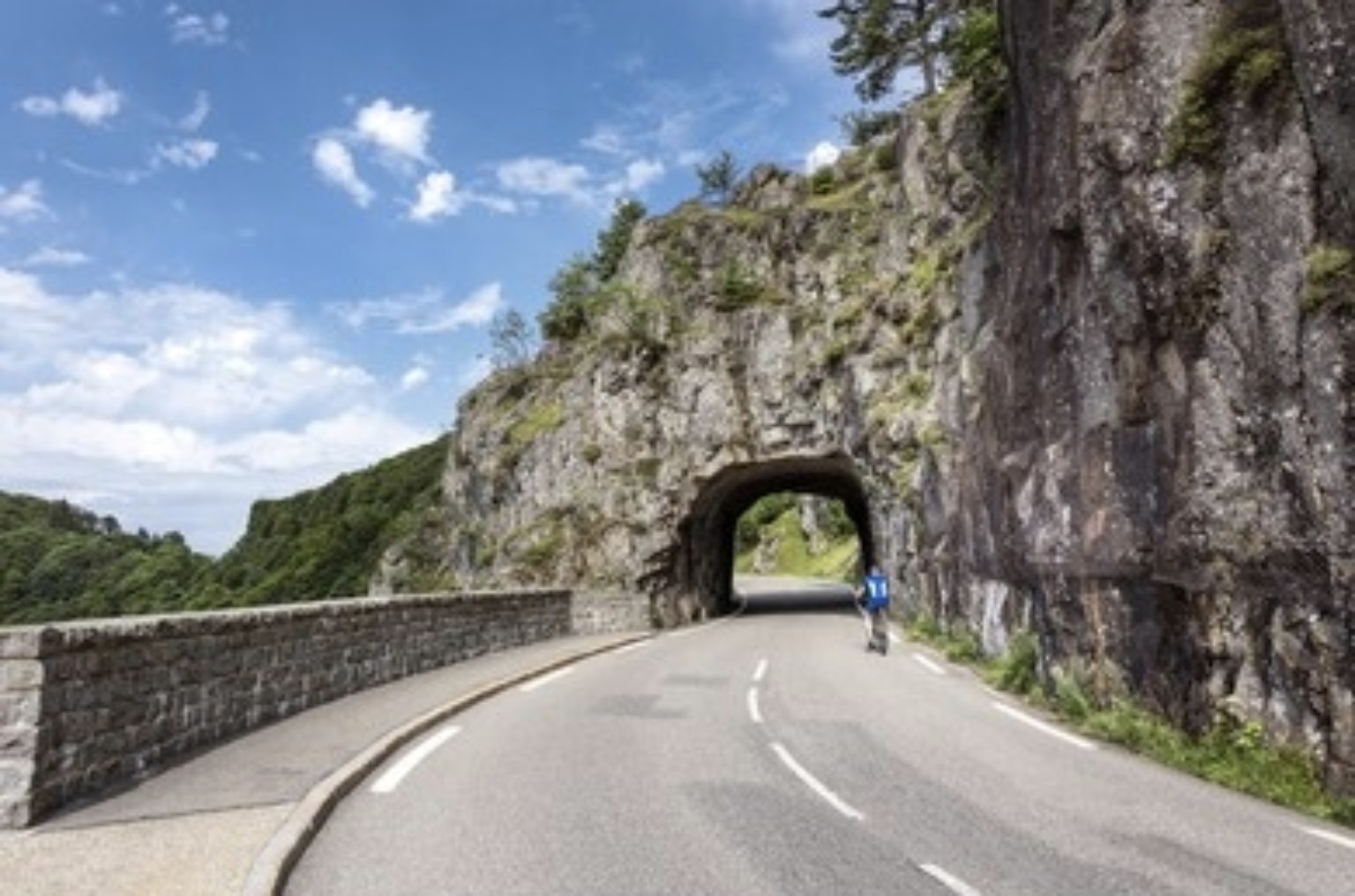
The Vosges provided the driving highlight of the trip. The road wound through the mountains, the landscape became more compelling, and suddenly we were back to the sort of driving that makes you forget about the distance still to cover. After the less inspiring run towards Gérardmer, the contrast was all the more satisfying. The Col de la Schlucht was not just another stop to add to the itinerary. It was the moment when the journey reminded us why we had chosen this route in the first place.
There is a difference between driving somewhere because you need to get there and driving somewhere because the road itself is worth experiencing. The Col de la Schlucht belonged firmly in the second category. You can study a map, read recommendations and look at photographs before you leave, but none of that quite replaces the experience of actually driving the road. This one delivered.
Gérardmer was part of the journey, although the town itself didn’t quite match the excitement of the roads around it. By then, however, we’d already enjoyed plenty of excellent driving, so there was no need to force every stop into becoming a life-changing experience. We had come for the journey as much as the destinations, and the journey had been doing a very good job.
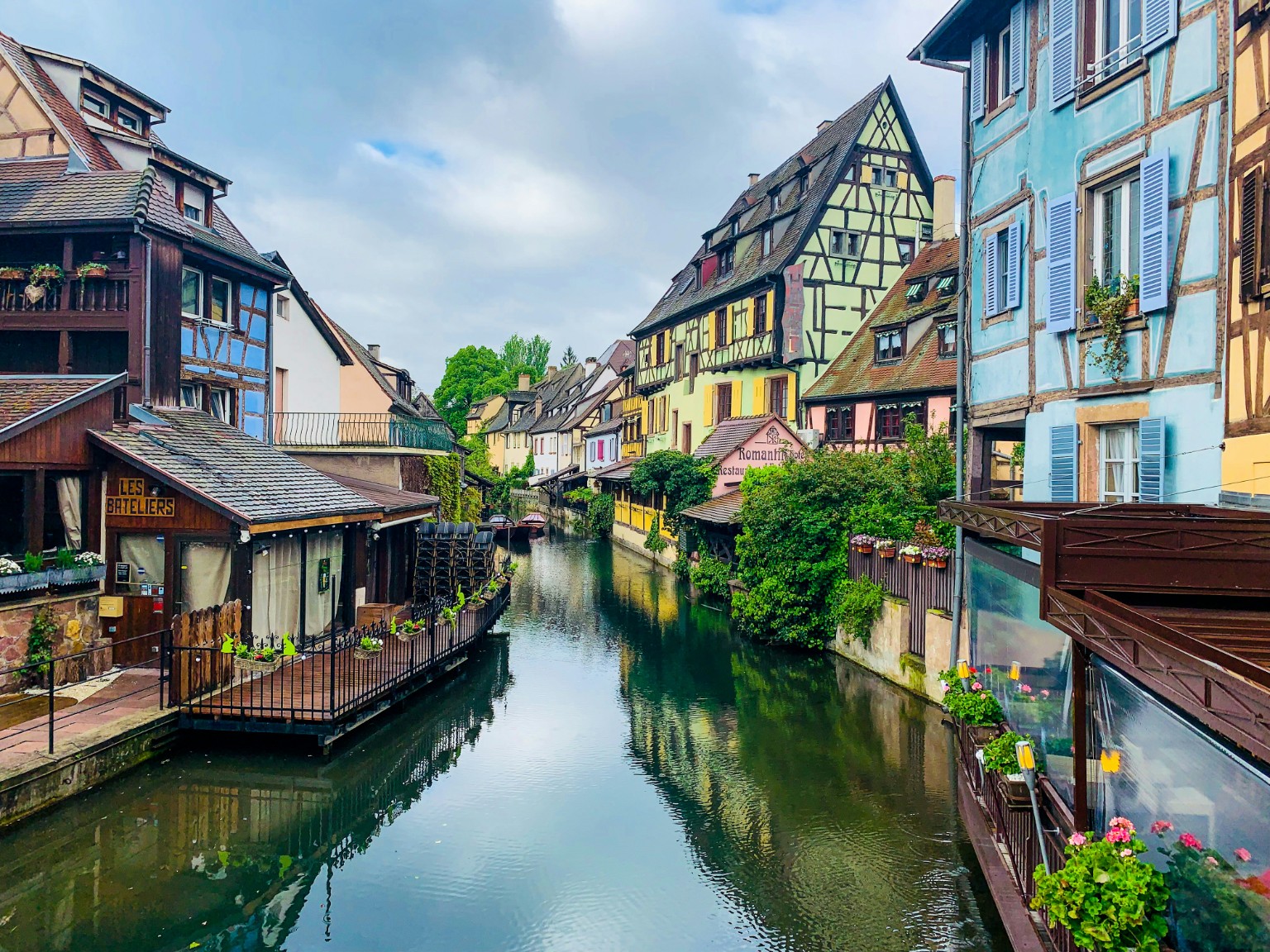
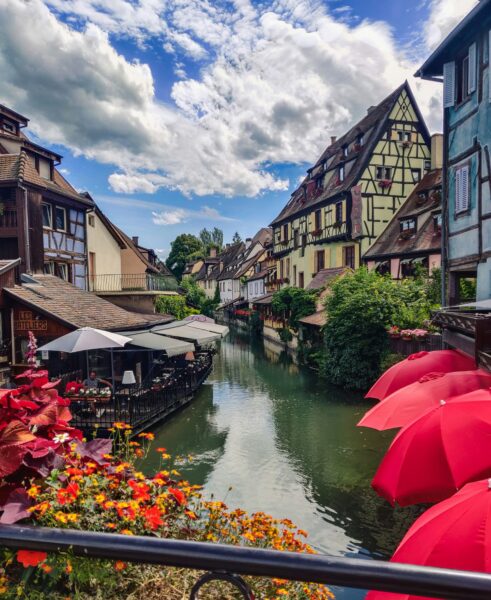
We eventually reached Colmar, where it was time to give the car a rest and enjoy the evening. We went out for a beer, had Indian food and returned for another drink afterwards. It was a relaxed end to the day, without any need to cram in another attraction or consult a list of supposedly essential experiences. We’d spent enough time driving. A good meal and a beer sounded like a perfectly reasonable use of the remaining hours.
On Monday, we’d considered visiting Château du Haut-Kœnigsbourg, but decided to head home instead. There is always another castle, another viewpoint and another attraction that somebody insists you absolutely must visit. With only three days off, there is a limit to how much you can fit in without turning a road trip into an administrative exercise. We’d seen enough to feel that the journey had been worthwhile, and there was no need to squeeze in one more stop simply because it was available.
We headed home, keeping the sat-nav set to avoid motorways until we reached Luxembourg again. Eventually, Antwerp came back into view, and our roughly 1,200-kilometre trip through four countries came to an end.
Looking back, what made the trip work wasn’t one single destination. It was the accumulation of good roads and the variety along the way. Vianden got us off to a brilliant start. The drive towards Trier kept the momentum going. The Saarland added another excellent section, with the Saarschleife providing a worthwhile stop away from the car. The road towards Gérardmer tested our patience, only for the Col de la Schlucht to remind us that the best bits are sometimes worth waiting for. And Colmar gave us a relaxed final evening before the journey home.
Not every kilometre was spectacular, and not every destination lived up to expectations. That’s fine. If every road were extraordinary, we’d probably stop noticing what makes the good ones special.
So if you’ve got three days off and fancy getting away, this route is worth considering. Take the motorway when it makes sense, turn it off when you’re ready to explore, and give yourself enough time to enjoy the roads rather than simply ticking off destinations. Luxembourg, the Saarland and the Vosges have plenty to offer anyone who enjoys driving, and you don’t need a supercar or an elaborate itinerary to appreciate them.
You could spend those three days catching up on chores and watching television. Or you could cover 1,200 kilometres, cross four countries and find some genuinely wonderful roads.
We know which one we’d choose.